


Language Learners (Mandarin)
In this programme, engaging activities including drama, storytelling, music and movement, art and craft, and writing practice make developing competency in the four components of language learning (speaking, listening, reading and writing) a fun and enjoyable process
-
Sunmarke School, JVT
Cascade Education, Al Safa
Language Learners
(Mandarin)
Ages 3 to 6
In this programme, engaging activities including drama, storytelling, music and movement, art and craft, and writing practice make developing competency in the four components of language learning (speaking, listening, reading and writing) a fun and enjoyable process.
• Acquire 132 words and 44 sentence structures.
• Strengthen reading comprehension through 5–6 storybooks per term.
• Develop accurate Chinese writing skills and stroke memorisation with regular practice.
• Reinforce vocabulary through playbased games and drama activities.
• Build oral proficiency and expression via interactive reading.
• Foster a love for reading and interest in books.
Mandarin Language Learners
Nursery 1 to Kindergarten 2
Schedule: 1½ hour sessions, once or twice per week
Language Learners prepares children for competency in every area of the MOE’s Primary 1 Chinese curriculum before they leave preschool. From Nursery 1 to Kindergarten 2, children continuously build an extensive dictionary of vocabulary and phrases, which they use throughout the class, particularly during Chinese speech and drama activities and games. Constantly extending opportunities to our students to speak and read helps deepen their comprehension of Mandarin, the key to successful communication.
Our prime focus is developing your child’s ability to understand the nuances of cadence and meaning. Children can communicate fluently, expressively and confidently when this clicks into place.
Evolved from teaching Chinese speech and drama at Julia Gabriel since 1994, our rigorous Language Learners curriculum is delivered through EduDrama®, an approach to learning that engages and motivates students in positive ways, facilitating them to absorb language effortlessly, as they advance to mastery in the four components of language learning – speaking, listening, reading and writing.
Key elements of the programme
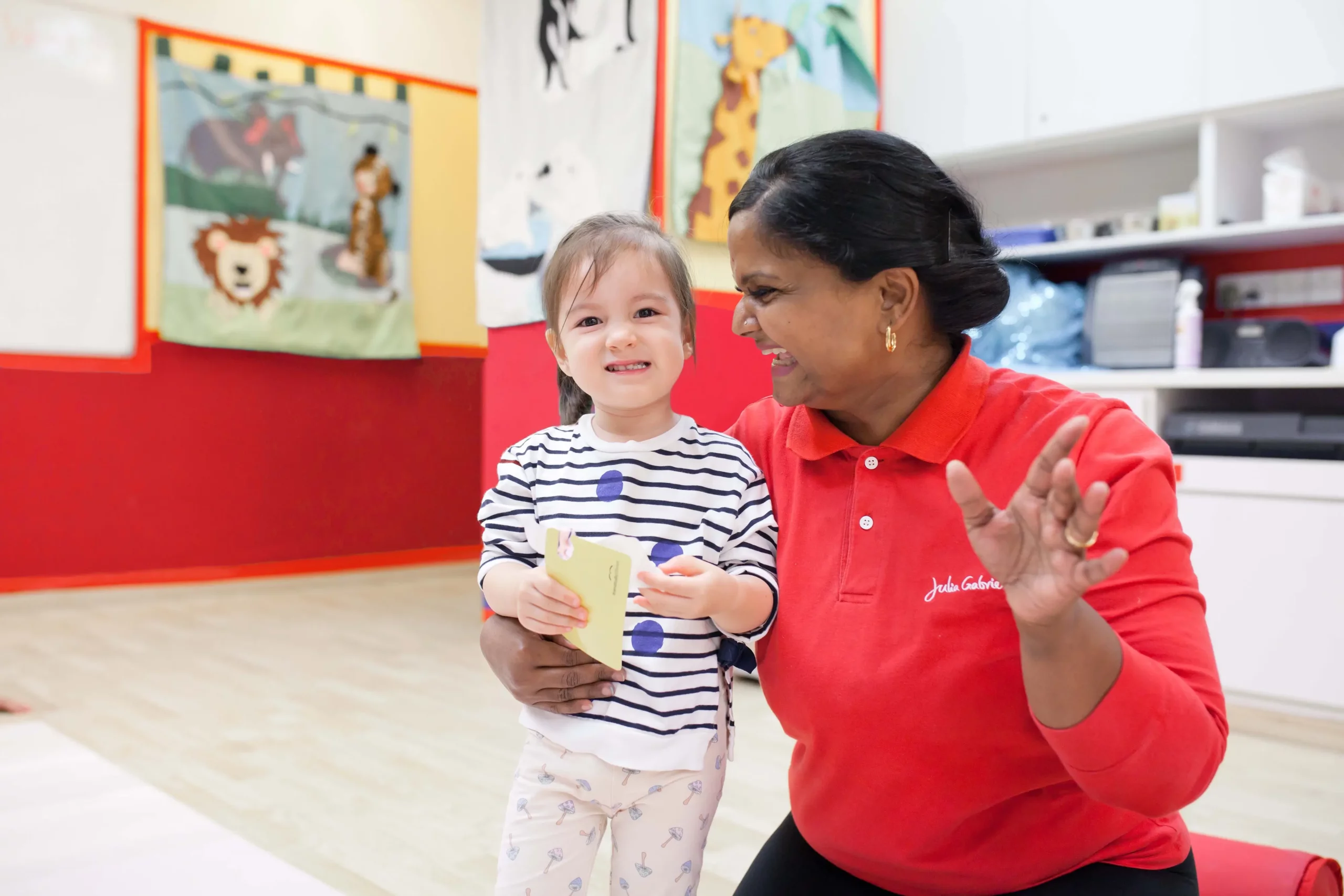
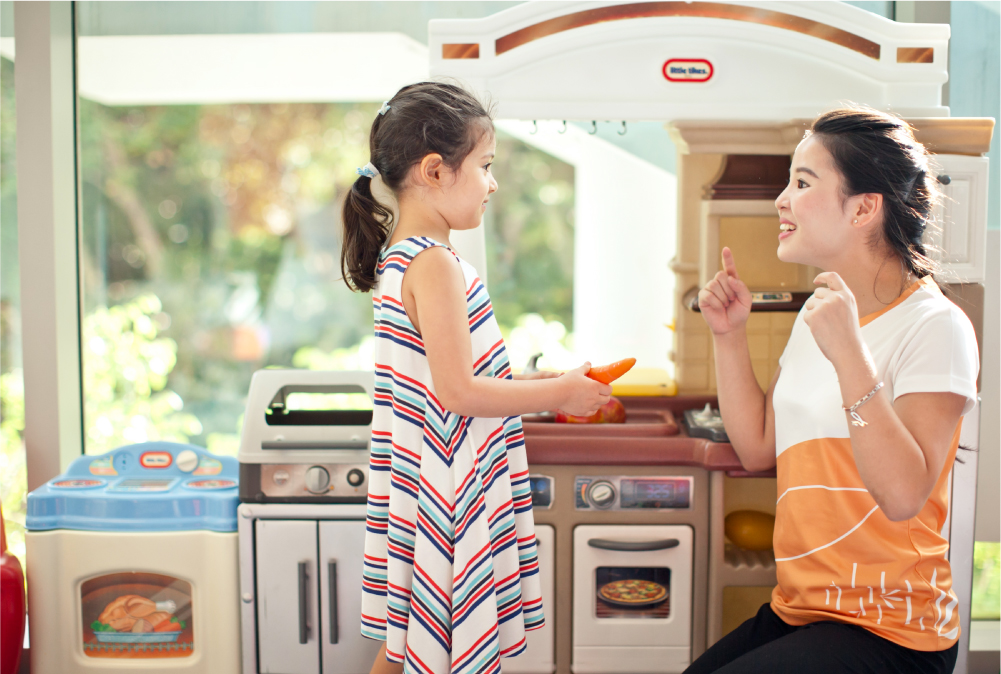
Games, conversation activities, rhymes, poems, Chinese speech and drama, and role-play help children develop confidence in speaking, discussing and expressing themselves in Mandarin.

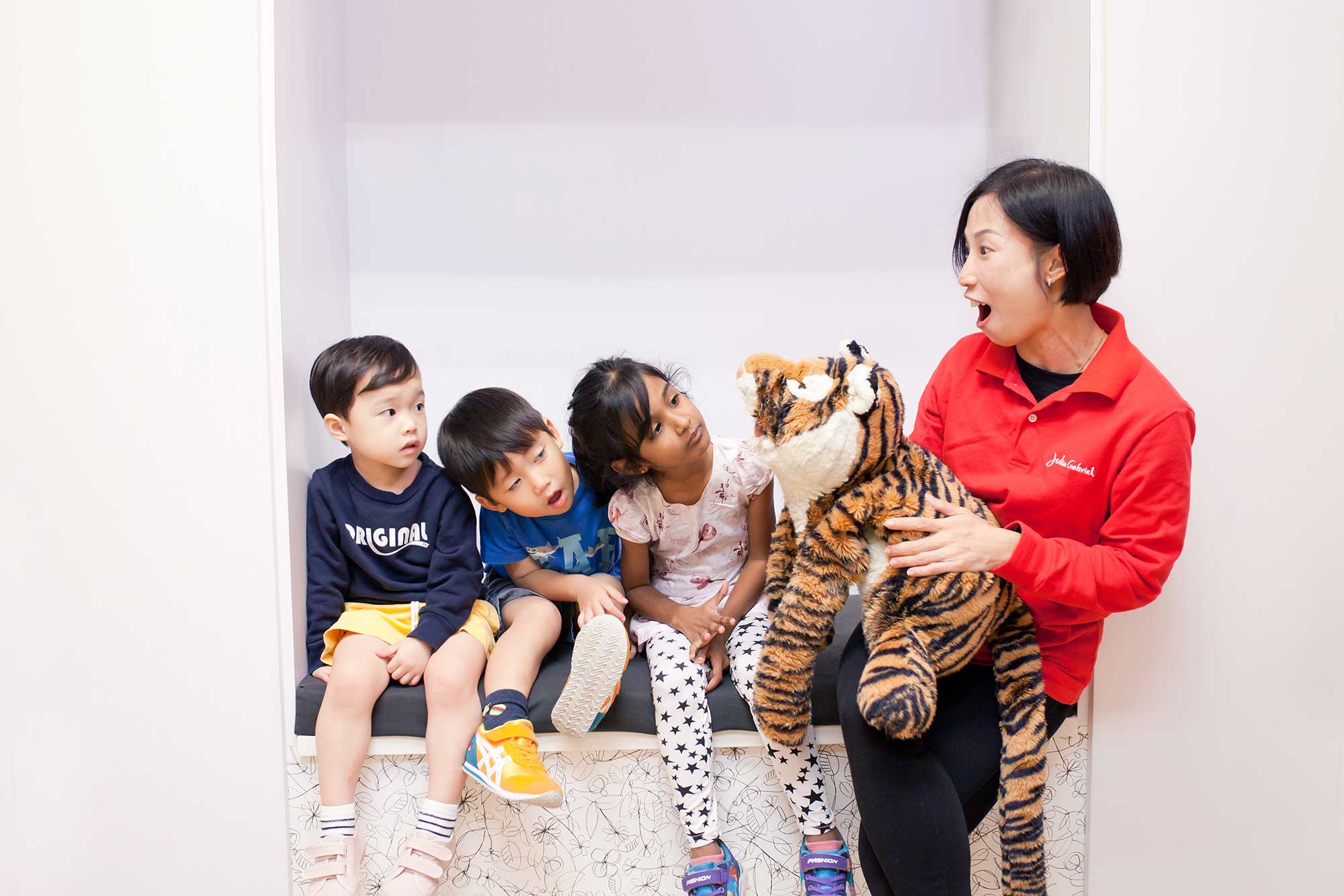
Reading and dramatising stories and idioms together help expand children’s imaginations, build vocabulary and increase their understanding of language. Some stories are further explored through writing activities.
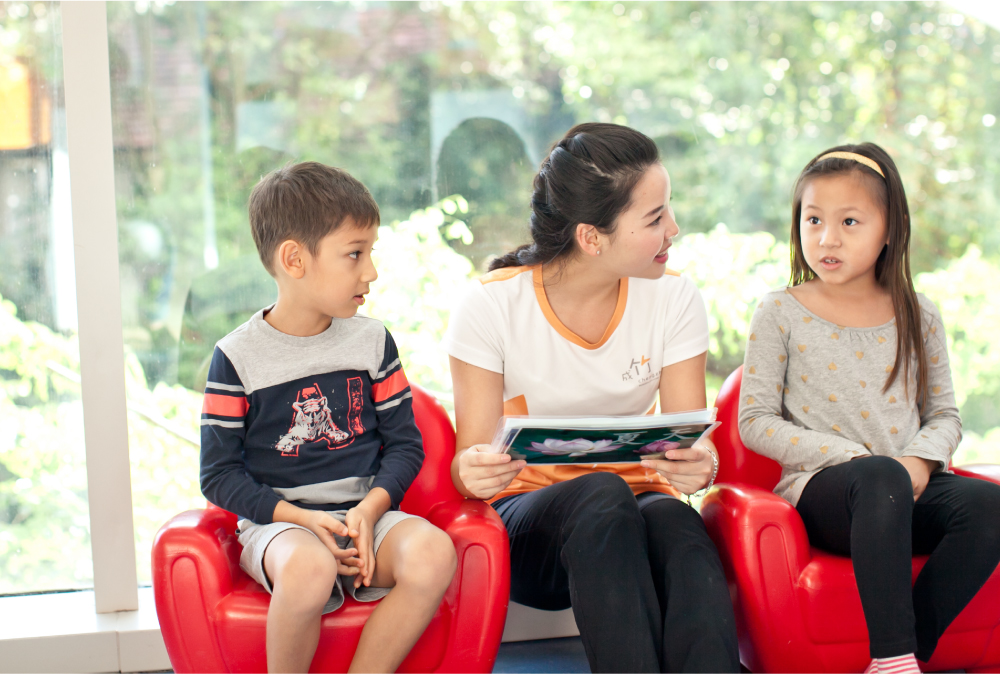
Through a selection of carefully chosen quality literature, children become familiar with a variety of useful sentences and phrases. Over time, the more they practise reading, the more they can easily recognise specific Chinese characters and how to pronounce them. As they progress and build confidence, they develop the ability to answer questions for reading comprehension tests.
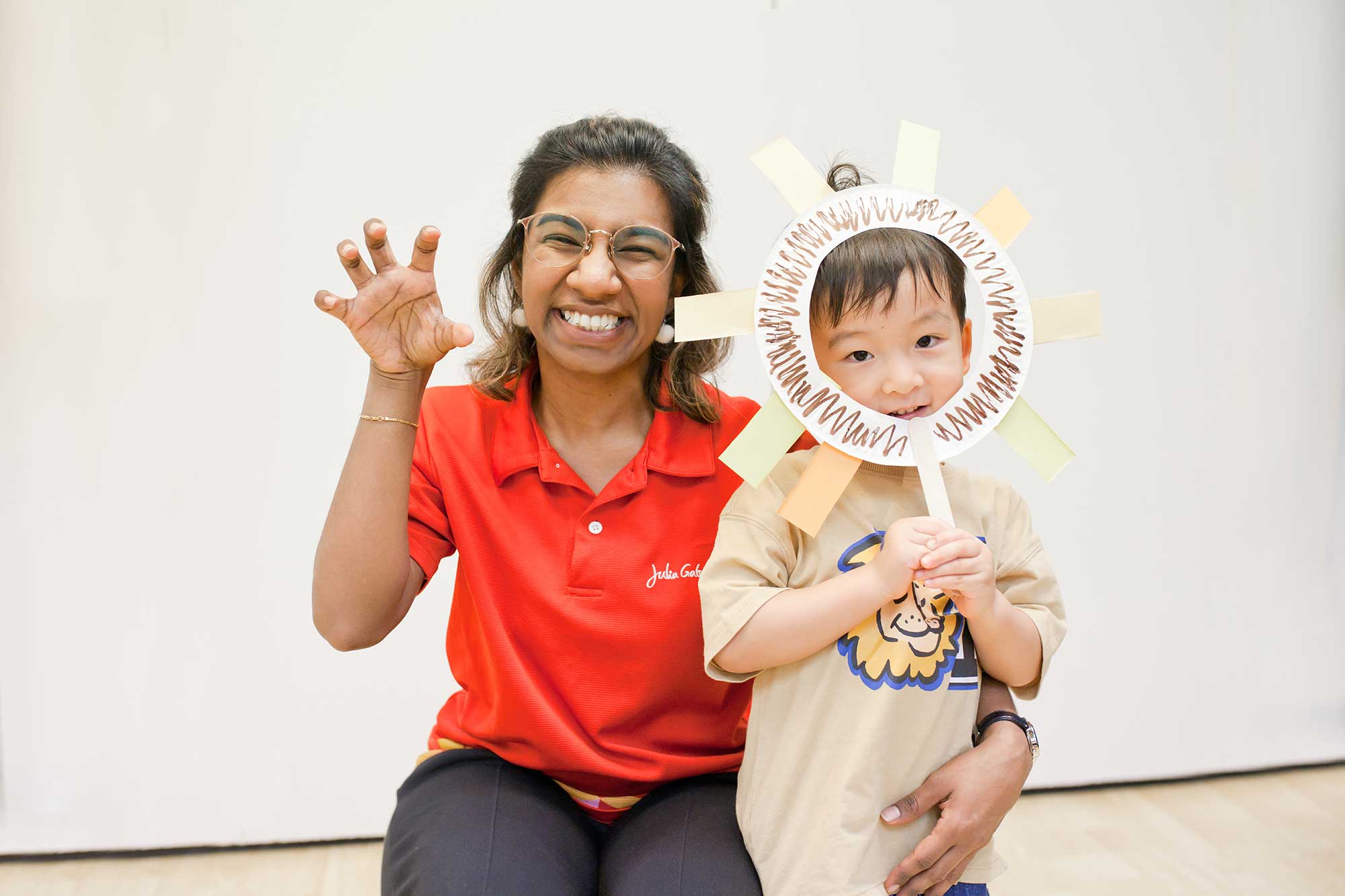
Children learn to write Chinese characters, mastering the sequence of strokes. They then move on to constructing sentences, creating stories and developing their ability to express themselves in written form.

How is Chinese Speech and Drama Different at Chengzhu?
Chinese speech and drama in Singapore is an increasingly popular enrichment subject but as with any programme, the method of delivery makes all the difference. Through Julia Gabriel’s unique EduDrama methodology, children develop holistically, ensuring that the language they learn is contextual, relevant and, most importantly, easy to remember. Chinese speech and drama at Chengzhu involves a variety of interactive and creative activities ranging from scripting and physicalising original ideas to practising articulating dynamic words and phrases. Guided by Chengzhu’s highly qualified and talented team of educators, your child will develop expressive Mandarin speech as they build confidence, emotional and social skills, creative thinking and problem solving skills, in addition to gaining a deeper understanding of Chinese culture.
How is Chinese Speech and Drama Different at Chengzhu?
Chinese speech and drama in Singapore is an increasingly popular enrichment subject but as with any programme, the method of delivery makes all the difference.
Through Julia Gabriel’s unique EduDrama methodology, children develop holistically, ensuring that the language they learn is contextual, relevant and, most importantly, easy to remember. Chinese speech and drama at Chengzhu involves a variety of interactive and creative activities ranging from scripting and physicalising original ideas to practising articulating dynamic words and phrases. Guided by Chengzhu’s highly qualified and talented team of educators, your child will develop expressive Mandarin speech as they build confidence, emotional and social skills, creative thinking and problem solving skills, in addition to gaining a deeper understanding of Chinese culture.
Yearly level outcomes include:
Nursery 1
- Mastering 74 commonly used words and 38 sentence structures.
- Engaging in drama-based activities and games in Mandarin to enhance oral proficiency, consolidating learning effectively.
- Developing the ability to use writing implements correctly through prewriting activities such as art and craft.
- Cultivating basic skills in writing Chinese script through art and craft activities.
- Internalising Mandarin cadence effortlessly through music and song memorisation.
- Participating in interactive reading sessions led by our expert language role models, fostering exposure to printed Chinese script and correct pronunciation.
- Developing confidence to communicate expressively in Mandarin.
Nursery 2
- Mastering 132 frequently used words and 44 sentence structures.
- Engaging with five or six storybooks per term to enhance reading comprehension.
- Cultivating accurate writing skills and stroke memorisation through regular writing activities, fostering positive writing habits.
- Experiencing language through interactive play-based games and Chinese speech and drama activities, reinforcing vocabulary usage in context.
- Practising oral proficiency through interactive reading sessions, gradually mastering sentence structure and expression.
- Fostering a passion for reading and nurturing an interest in books.
Kindergarten 1
- Mastering 176 frequently used words and 44 sentence structures.
- Reinforcing effective usage of new Chinese vocabulary and phrases through engaging word games and drama activities.
- Developing independent reading skills in Mandarin, requiring less guidance from the teacher.
- Engaging with five or six storybooks and five short passages each term, comprehensively learning all associated words and phrases.
- Effortlessly memorising stroke sequences through frequent writing activities.
- Cultivating increasingly independent writing abilities.
- Crafting original sentences with guidance from the teacher.
- Completing additional tasks during class that reinforce learning and enhance mastery across all skill areas.
Kindergarten 2
- Mastering and integrating 218 frequently used words and 44 new sentence structures.
- Developing proficiency in Hanyu Pinyin to prepare for Primary 1 competency.
- Attaining mastery of Primary 1 Hanyu Pinyin syllabus through consistent reading and writing practice.
- Engaging with five or six storybooks and five short passages per term to acquire all associated words and phrases.
- Enhancing Chinese literacy skills through advanced activities like writing cloze passages and constructing specific phrases using visual prompts.
- Cultivating fluent and expressive oral skills, fostering confidence in continuous Mandarin communication with peers and teachers.
- Improving comprehension skills to approach the challenges of Primary 1 Chinese studies calmly and confidently.
- Completing additional tasks during class to develop familiarity with various questions types, preparing for listening exercises and written assignments in Primary 1.